Gynecomastia
Gynecomastia is a medical condition characterized by the enlargement of breast tissue in males. It can affect one or both breasts and may occur at any age, though it is most common during periods of hormonal change such as infancy, puberty, and older adulthood.
The condition is usually caused by an imbalance between the hormones estrogen and testosterone, where estrogen effects become relatively stronger. This imbalance can occur naturally or be influenced by factors such as certain medications, liver disease, obesity, or underlying hormonal disorders. In many cases, however, no specific cause is identified.
Gynecomastia typically presents as a firm, rubbery swelling beneath the nipple area. Some individuals may also experience tenderness or sensitivity. It is important to distinguish gynecomastia from pseudogynecomastia, which is breast enlargement due to excess fatty tissue rather than true glandular growth.
Diagnosis is usually made through physical examination and medical history. In some cases, blood tests or imaging studies such as ultrasound may be used to evaluate hormone levels or rule out other conditions.
At Advanced Dallas Hospital & Clinics, our board-certified and expert surgeons provide advanced treatment options for gynecomastia with a focus on safe, personalized care dedicated to achieving natural-looking results.
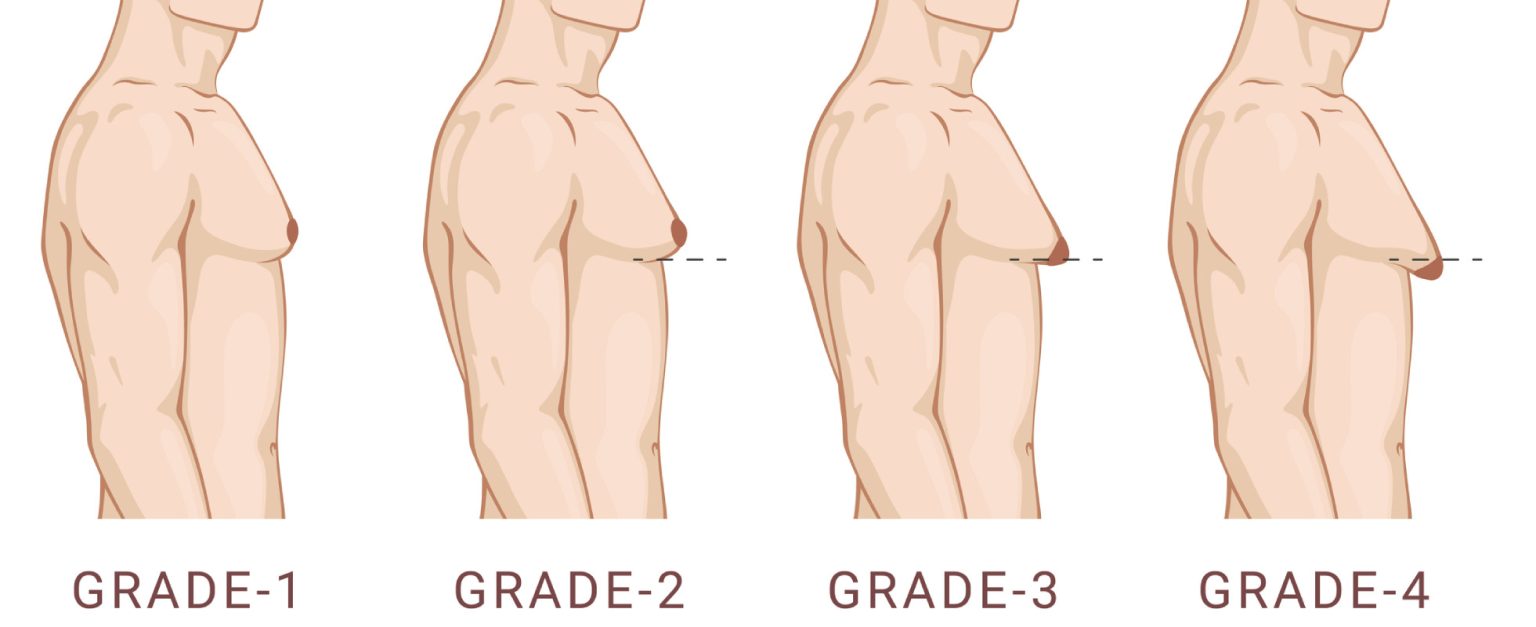
What are the stages of gynecomastia?
Gynecomastia is classified into four stages based on the severity and amount of growth of the breast tissue. These grades help both physicians and patients understand the course of the condition and determine the best treatment method.